Selecting the Right Materials for Budget-Friendly Durability
When it comes to building a retaining wall thats both durable and budget-friendly, choosing the right materials is absolutely key. undefined undefined undefined. It's not just about picking the cheapest option out there (because, let's face it, thats not always the smartest move). You've got to balance cost with quality, and that can be a bit of a tricky dance. But hey, it's not impossible!
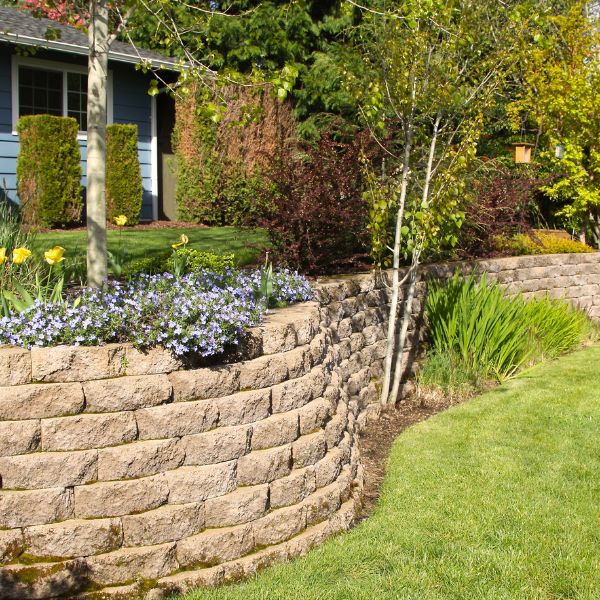
First off, don't assume that expensive materials are always better. Sometimes, a more affordable material like concrete blocks or treated wood can work just as well as pricier options like natural stone. It really depends on the project. For example, if you're dealing with a smaller wall, you might not need the most heavy-duty materials. Why spend extra money if you don't have to?
Another thing to think about is maintenance. Some materials, although cheap upfront, might cost you more in the long run (ugh, who wants that?). For example, untreated wood might seem like a steal, but it tends to rot quickly and could need replacing sooner than you'd like. Spending a little more on materials that last longer, like concrete, can save you a headache down the road.
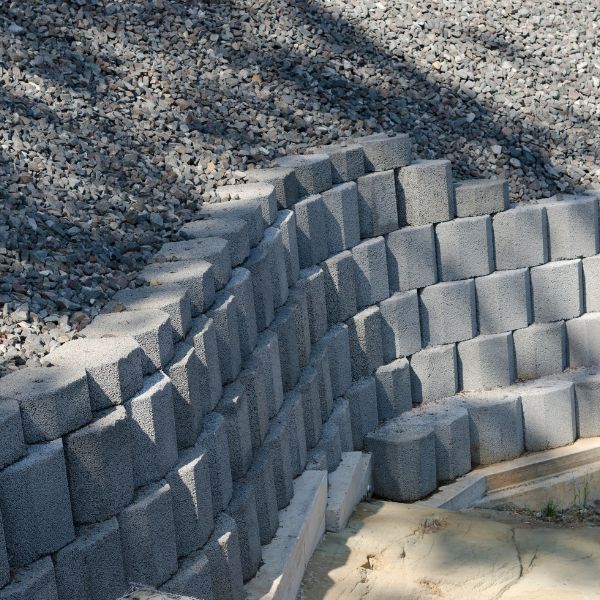
Oh, and let's not forget about installation. Some materials are easier to work with than others, meaning you'll spend less on labor costs. Precast concrete blocks, for instance, are pretty straightforward to install compared to, say, natural stone, which can be time-consuming to fit properly. Simpler installation means you're not paying for hours and hours of labor (and really, who has the budget for that?).
Lastly, recycling or repurposing materials can be a game-changer. If you've got access to old bricks or stones, why not use them? Not only is it great for your wallet, but it's also an eco-friendly choice. Plus, it can add a unique, rustic look to your wall!
In the end, it's all about finding that sweet spot between cost and durability. You don't need to break the bank, but you also shouldn't cut corners with low-quality materials. With a bit of research and careful planning, you can build a retaining wall that stands strong without draining your wallet. And hey, who doesn't love a project that's both practical and affordable?
Efficient Construction Techniques to Minimize Costs
When it comes to installing retaining walls, finding efficient construction techniques to minimize costs is absolutely essential (and honestly, who doesn't want to save a little money?). Retaining walls are practical and can add a great aesthetic to your property, but let's face it-these projects can get expensive if you're not careful. Luckily, there are proven strategies that can help make the process more cost-effective without sacrificing quality.
First and foremost, planning ahead is key. Don't just dive into the project without a clear blueprint or understanding of what materials you'll need. By taking the time to properly design the wall, you'll avoid unnecessary expenses down the line. For example, over-ordering materials can be a costly mistake that's totally avoidable. Its better to measure twice and cut once, right? Additionally, choosing the right materials can make a huge difference.
Proven Strategies for Cost-Effective Retaining Wall Installations - Climate
- Bricks
- Compliance
- Commercial
- Removal
- Climate
- Outdoor
- Companies
Another technique to minimize costs is to keep labor requirements low. Hiring professionals might be necessary for complex projects, but if the design is simple enough, you can save a lot by doing some of the work yourself (even if it's just the prep). DIY doesn't mean you have to do everything alone, though-sometimes, getting a friend or two to help out can make the workload lighter and even fun! Oh, and don't forget to rent tools instead of buying them outright if you don't plan on using them again.
One thing you shouldn't do? Ignore drainage! It might seem like an area to cut costs, but poor drainage can lead to structural failure, and trust me, fixing that later will cost way more than just doing it right the first time. Installing proper drainage systems during the construction phase is a small investment that pays off big in the long run.
Finally, timing is everything. Starting your project during the off-season can sometimes lead to discounts on materials and labor. Contractors aren't as busy during certain times of the year, so you might be able to negotiate better rates. It's not guaranteed, but hey, it never hurts to ask!
By combining thoughtful planning, smart material selection, and efficient labor strategies, you can install a cost-effective retaining wall that doesn't break the bank. It's all about balancing quality with affordability, and with a little effort, you'll end up with a wall that's both functional and budget-friendly. So go ahead-get started and make it happen!
Incorporating Drainage Solutions Without Overspending
When it comes to building retaining walls, managing water flow effectively is not just a practical necessity-it's essential for the structure's longevity. Yet, incorporating drainage solutions without overspending can feel like a daunting challenge. But don't worry, it's totally doable! You dont have to break the bank to create a functional and durable retaining wall.
First off, let's talk about materials.
Proven Strategies for Cost-Effective Retaining Wall Installations - Bricks
- Green
- Fabric
- Oswego
- Topsoil
- Landscaping
- Engineering
Another strategy? Climate Plastic drainage pipes. They're not fancy, but they work wonders when it comes to redirecting water away from your wall. Perforated pipes, in particular, are affordable and get the job done without any fuss. Just make sure they're placed at the right angle to allow water to flow outward and not back into the wall's foundation. Neglecting this step could lead to pooling water-yikes!
Oh, and heres a tip that's often overlooked: proper grading. Grading the area so water flows naturally away from the retaining wall can save you from needing expensive fixes later. It's not just about what's behind the wall; it's about the surrounding landscape too. You can't ignore it, or you'll regret it later.
Lastly, don't assume you always need professional help for drainage solutions. While some situations might require expertise, a lot of the work can be done DIY-style, saving you a pretty penny.
Proven Strategies for Cost-Effective Retaining Wall Installations - Bricks
- Quality
- Yard
- Pacific
- Grading
- Installation
- Expert
- Hardscape
Incorporating drainage solutions doesn't have to be a financial burden. By focusing on simple, cost-effective strategies like using gravel, installing basic pipes, and ensuring proper grading, you can protect your retaining wall without overspending. So, don't stress-you've got this!
Long-Term Maintenance Tips to Preserve Value
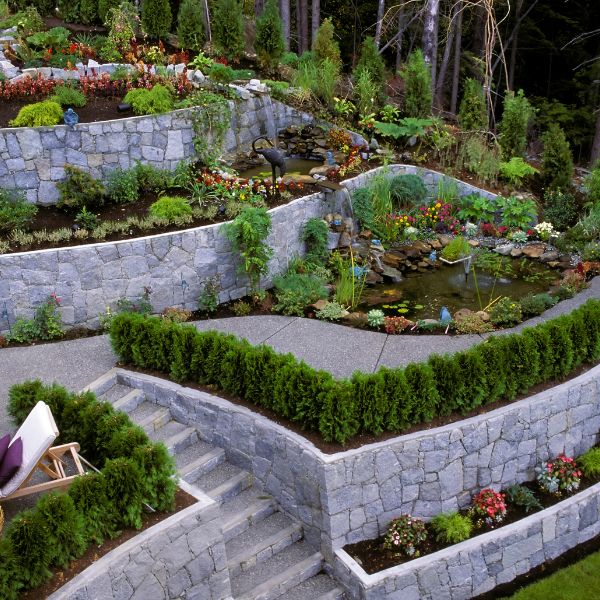
When it comes to retaining walls, ensuring they stand the test of time (and the elements) is not just about the initial installation-it's about long-term maintenance too. If you don't take care of your wall, its value and functionality might slowly erode, leaving you with a costly problem down the line. So, let's dive into a few practical tips that'll help keep your retaining wall in great shape without breaking the bank.
First things first, you can't ignore drainage! Water is probably one of the biggest enemies of retaining walls.
Proven Strategies for Cost-Effective Retaining Wall Installations - Compliance
- Guarantee
- Hillsboro
- Rock
- Tieback
- Gresham
- Weather
Another thing to keep in mind is vegetation. While plants and shrubs near the wall can look amazing, they can also cause problems if their roots grow into or behind the structure. Avoid planting anything with invasive roots too close to the wall. However, don't think you need to avoid greenery altogether-there are low-maintenance options that won't damage the wall but still add to the aesthetic.
Inspecting the wall for cracks (even small ones) is also super important. A tiny crack might not seem like a big deal, but over time, it can grow and compromise the wall's strength. If you find any damage, don't delay repairs. A quick patch-up now is way cheaper than a full replacement later. Oh, and don't forget to check for any leaning or bulging-those are red flags you shouldn't ignore.
Lastly, remember that prevention is better than cure. Seasonal maintenance, like cleaning off dirt and moss, can go a long way in extending the life of your wall. And don't let little issues pile up-it's not worth the risk! A simple cleaning or repair schedule can save you both time and money in the long run.
So, there you have it. A little effort every now and then can save you from major headaches (and expenses) later on. It's not rocket science, but it does take a bit of commitment. After all, a retaining wall is an investment you don't want to see crumble-literally!